
Anxiety & Depression
Anxiety and Depression in Children: Signs, Support, and Strategies for Parents
Every child feels worried, nervous, sad, or frustrated from time to time. These emotions are a normal part of growing up. However, when feelings of anxiety or sadness become intense, persistent, or begin interfering with daily life, it may be a sign that a child needs additional support.
Understanding the signs of anxiety and depression can help parents identify concerns early and connect their child with the resources they need to thrive.
What Is Anxiety?
Anxiety is more than occasional worry or nervousness. Children with anxiety experience excessive fear, worry, or stress that can affect their ability to function successfully at school, at home, and in social situations.
Common symptoms of anxiety include:
Emotional Symptoms
- Excessive worrying
- Fearfulness
- Irritability or anger
- Difficulty handling uncertainty
- Avoidance of certain situations
- Trouble separating from parents
Physical Symptoms
- Headaches
- Stomachaches
- Fatigue
- Difficulty sleeping
- Muscle tension
- Restlessness
There are several types of anxiety disorders that can affect children, including:
- Separation Anxiety Disorder
- Social Anxiety Disorder
- Generalized Anxiety Disorder (GAD)
- Specific Phobias
- Panic Disorder
Many children experience more than one type of anxiety, and anxiety can sometimes occur alongside depression.
What Is Depression?
Depression is more than simply feeling sad after a disappointing event. Children with depression experience persistent feelings of sadness, hopelessness, or loss of interest in activities they once enjoyed.
Common signs of depression include:
- Frequent sadness or tearfulness
- Irritability or mood swings
- Changes in eating habits
- Changes in sleep patterns
- Low energy or fatigue
- Difficulty concentrating
- Feelings of worthlessness or excessive guilt
- Loss of interest in hobbies and activities
- Social withdrawal
- Declining academic performance
In severe cases, depression may involve thoughts of self-harm or suicide. If you believe your child may be at risk of harming themselves, seek immediate professional help.
How Are Anxiety and Depression Diagnosed?
There is no single test that diagnoses anxiety or depression. A comprehensive evaluation is usually conducted by a pediatrician, psychologist, psychiatrist, or licensed mental health professional.
The evaluation may include:
- Parent interviews
- Child interviews
- Teacher observations
- Behavior rating scales
- Emotional screening questionnaires
- Review of school performance and developmental history
The goal is to understand how symptoms affect the child’s daily functioning across multiple environments.
Treatment and Support Options
The good news is that anxiety and depression are highly treatable, especially when identified early.
A treatment plan may include one or more of the following:
Cognitive Behavioral Therapy (CBT)
CBT is one of the most effective treatments for childhood anxiety and depression. Children learn how thoughts, feelings, and behaviors are connected and develop strategies for managing difficult emotions.
Behavioral Therapy
Behavioral therapy helps children develop positive coping skills, improve emotional regulation, and build healthier routines and habits.
Medication
In some cases, healthcare providers may recommend medication as part of a comprehensive treatment plan. Parents should discuss benefits, risks, and monitoring requirements with their child’s physician.
School Accommodations
Children with anxiety or depression may qualify for accommodations through a 504 Plan or an Individualized Education Program (IEP) if symptoms significantly impact learning.
Helpful accommodations may include:
- Flexible seating arrangements
- Scheduled breaks
- Extended time on assignments and tests
- Reduced homework load when appropriate
- Access to a trusted adult at school
- Breaking large assignments into smaller steps
- Alternative testing environments
These supports can help reduce stress and create a more successful learning experience.
How HabitCoach Can Help
Many children with anxiety and depression struggle with executive function skills such as organization, planning, emotional regulation, task initiation, and time management. When schoolwork feels overwhelming, anxiety often increases.
HabitCoach helps students build the executive function skills that support both academic success and emotional well-being.
Students learn practical strategies for:
- Managing stress
- Building routines
- Staying organized
- Planning ahead
- Managing emotions
- Developing healthy habits
- Completing tasks independently
- Building confidence and resilience
By creating structure and predictability, children often feel more in control of their daily responsibilities, which can reduce anxiety and improve self-confidence.
Additional Support Through TestingMom.com
For students whose anxiety or depression affects school performance, TestingMom.com offers one-to-one tutoring designed to provide academic support in a calm, encouraging environment.
Our tutors can help students:
- Break large assignments into manageable steps
- Build confidence in challenging subjects
- Develop study and organization skills
- Reduce academic stress
- Stay on track with schoolwork
For younger children, social-emotional learning activities and guided discussions can also help them identify feelings, solve problems, and practice healthy coping strategies.
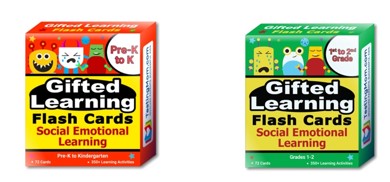
Social-Emotional Gifted Learning Flashcards from Testing Mom can be extremely helpful for talking through difficult social and emotional situations, identifying feelings, calming themselves, and handling their feelings. These are available on Amazon.com. https://www.amazon.com/Gifted-Learning-Flash-Cards-Kindergarten/dp/B07DV16N48?ref_=ast_sto_dp
What Parents Can Do at Home
Maintain Consistent Routines
Predictable schedules help children feel safe and reduce uncertainty. Establish routines for homework, meals, bedtime, and family activities.
Encourage Healthy Habits
Physical activity, balanced nutrition, and adequate sleep all play important roles in supporting mental health.
Listen Without Judgment
Give your child opportunities to talk about their feelings. Let them know that their emotions are valid and that they are not alone.
Celebrate Progress
Focus on effort and growth rather than perfection. Small successes build confidence over time.
Final Thoughts
Anxiety and depression can make childhood feel much harder than it needs to be, but with early intervention, professional support, and strong family involvement, children can learn effective coping strategies and thrive.
If you have concerns about your child’s emotional well-being, start by speaking with your pediatrician or a qualified mental health professional. The earlier support begins, the more tools your child will have to build resilience, confidence, and long-term success.